


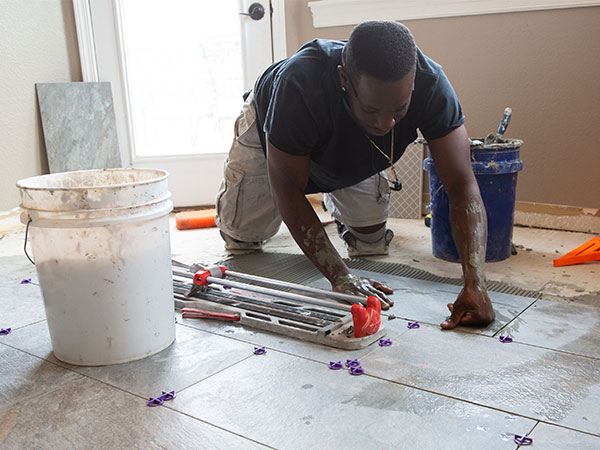


While not for everyone, “fixer-uppers” have become an increasingly attractive option for today’s homebuyers. With housing inventory tight in many markets, a property that needs some extra work can offer better value for buyers—and the opportunity to build equity by making smart improvements can pay off over time.
Plus, transforming a property that’s a little rough around the edges into something you’re proud to call home can be deeply rewarding. The question is how to make that transformation happen if you got a bargain on a less-than-perfect home and don’t have extra funds lying around.
When Your Home Still Needs Work
You may have gotten a great deal on your home if it has outdated features, such as worn-out flooring or aging kitchen cabinets. But if you’re like many homebuyers who didn’t have money to fix these items when they bought their home, you may have decided to address them later.
Over the years, your home continued to age, and its flaws became more glaring. Maybe the roof needs replacing, or you need an extra bedroom to accommodate a growing family.
If you’ve owned your home for some length of time, however, you have probably built up significant home equity, which is the difference between what you owe on your mortgage and your home’s current market value. And with a cash-out refinance, you can tap into that equity for many purposes, including home upgrades.
How a Cash-Out Refi Works
A cash-out refinance allows you to replace your current mortgage with a new one for a higher amount and receive the difference in cash. That money can then be used to fund home improvements and repairs.
Because the loan is based on your home’s current value and the equity you’ve built, this approach works best for homeowners who have seen their property appreciate and want a flexible way to reinvest in it.
The amount you can take out depends on your home’s value, your current loan balance, and your overall financial profile. In most cases, borrowers need to keep at least 20% equity in their home to qualify for a cash-out refinance, though your lender may require more for the loan to make sense.
Preparation is Key
You can use the money from a cash-out refi however you like. But if you’re using the money for home repairs, it’s a good idea to consider which improvements will increase your home’s value over time.
Before making upgrades, you might look at nearby homes for sale in your neighborhood to see how they’ve been upgraded. This can provide ideas on what you could do to your home, whether it’s remodeling the kitchen, adding office space or a bathroom, or replacing major appliances.
Unless you plan to do the work yourself, the next step is to get estimates from licensed contractors, who can give you a good sense of your budget. Keep in mind that certain home projects can run over budget or reveal hidden damage that needs repair, so it may be wise to add an extra 10% to 20% to cover unexpected costs.
When You’re Ready to Apply
Applying for a cash-out refinance is a lot like applying for a traditional mortgage. Your lender will review your income and credit to make sure you can afford the new payment, and an appraisal will be ordered to determine your home’s current value and the amount of equity you have.
From there, your loan expert will walk you through your options, including how much cash you may be able to access and what your new monthly payment could look like. Once you’re approved, it takes about 30 to 45 days for your new mortgage to close and for you to receive your funds.
At Right By You Mortgage, we offer cash-out refinancing solutions for homeowners looking to create the home of their dreams. Our loan experts can also help you evaluate how much equity you can use and plan next steps with confidence.
If you’re thinking about fixing up your home, our loan experts are ready to help. Find a local mortgage loan officer to get started or email us at mailto:inquiries@rightbyyoumortgage.com.